

The dark truth about forex trading for beginners is simple but deeply uncomfortable.
Most people lose money not because the market is impossible, but because the industry is designed to confuse, mislead, and overwhelm new traders long before they ever learn the basics.
In this article, you’ll finally discover the truth about forex trading, the real forces at play, the traps beginners fall into, and the hidden realities no one talks about until it’s already too late.
The Dark Truth About Forex Trading for Beginners
The forex industry has grown massively, and with that growth comes an entire ecosystem built around beginners’ excitement and desperation. This includes:
- Flashy signal groups promising “guaranteed profits.”
- Unregulated educators
- Complicated indicators sold as magical solutions
- Unrealistic expectations were pushed through marketing
The truth is this: you can make money trading forex, but not by following shortcuts.
Why 90% of Beginners Lose Money
Most beginners lose money for one main reason: a lack of proper structure.
They enter the market with:
- No training
- No risk management
- No understanding of price action
- No emotional discipline
- No trading plan
They rely on hype, screenshots, and luck. The result is predictable: blown accounts, frustration, and confusion.
The Hidden Business Behind Signal Groups
One of the most significant dark truths in the forex industry is the business model behind many signal groups.
Many “gurus” do not make consistent profits from their trades. Instead, they:
- Earn money from subscription fees
- Collect IB rebates from brokers
- Profit more when their followers lose
This creates a conflict of interest.
If beginners win independently, the guru loses revenue. This is why signals rarely help traders grow long-term.
The Indicator Trap
New traders often fall in love with indicators because they appear simple:
- Buy when the blue arrow shows
- Sell when the red arrow appears
However, indicators are lagging tools. They react to price; they do not predict it.
Relying on indicators alone leads to:
-
Late entries
-
False signals
-
Blind decision-making
The real skill lies in understanding market structure, not downloading more tools.
The Emotional and Psychological Reality
Trading is 30% technical skill and 70% emotional management.
The dark truth is that most beginners are unprepared for the emotional challenges, including:
-
The pressure of losing money
-
The temptation to revenge trade
-
The fear of missing out
-
Impulse decisions during volatility
Without emotional discipline, even the best strategy will fail.
The Skills Beginners Actually Need
To succeed as a trader, beginners must focus on developing real skills like:
✔ Market Analysis
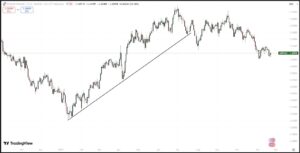
Understanding trend direction, structure, support, and resistance, and momentum.
Trend Direction {Uptrend}
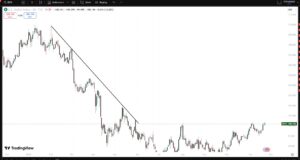
Trend Direction {Downtrend}
Market structure
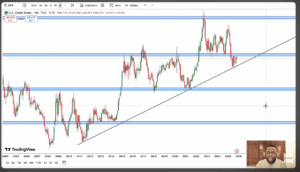
Support and Resistance
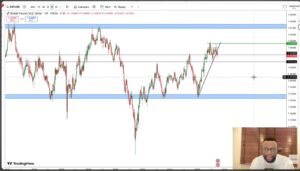
✔ Risk Management
Using proper lot sizes, stop-losses, and calculating position sizes.
✔ Backtesting
Testing a strategy across historical data to build confidence and consistency.
✔ Patience & Discipline
Waiting for valid setups instead of chasing the market.
These skills take time to learn but are what separate successful traders from emotional gamblers.
How to Protect Yourself and Learn the Right Way
To protect your money and avoid costly mistakes, beginners should:
- Start with a demo account
- Learn the basics of charting and analysis
- Avoid paid signal groups
- Avoid unregulated brokers
- Backtest every strategy before using it
- Focus on one trading system at a time
- Study market psychology
- This approach is slower, but it’s the only path that works.
Final Thoughts
The dark truth about forex trading for beginners is not meant to discourage you.
It’s meant to prepare you.
The industry survives on beginner losses.
Brokers profit when retail traders blow accounts.
Influencers profit when people are desperate for shortcuts, and social media keeps pushing unrealistic expectations because “get rich quick” sells faster than discipline, patience, and skill.
Forex is a skill-based profession, not a shortcut to fast money.
If you’re willing to learn the core principles, avoid industry traps, practice discipline, and follow a structured approach, you can absolutely succeed, not by luck, but by competence.